
By Greg McMillan - Scripps Howard News Service - The Patriot Ledger - 3/6/1993

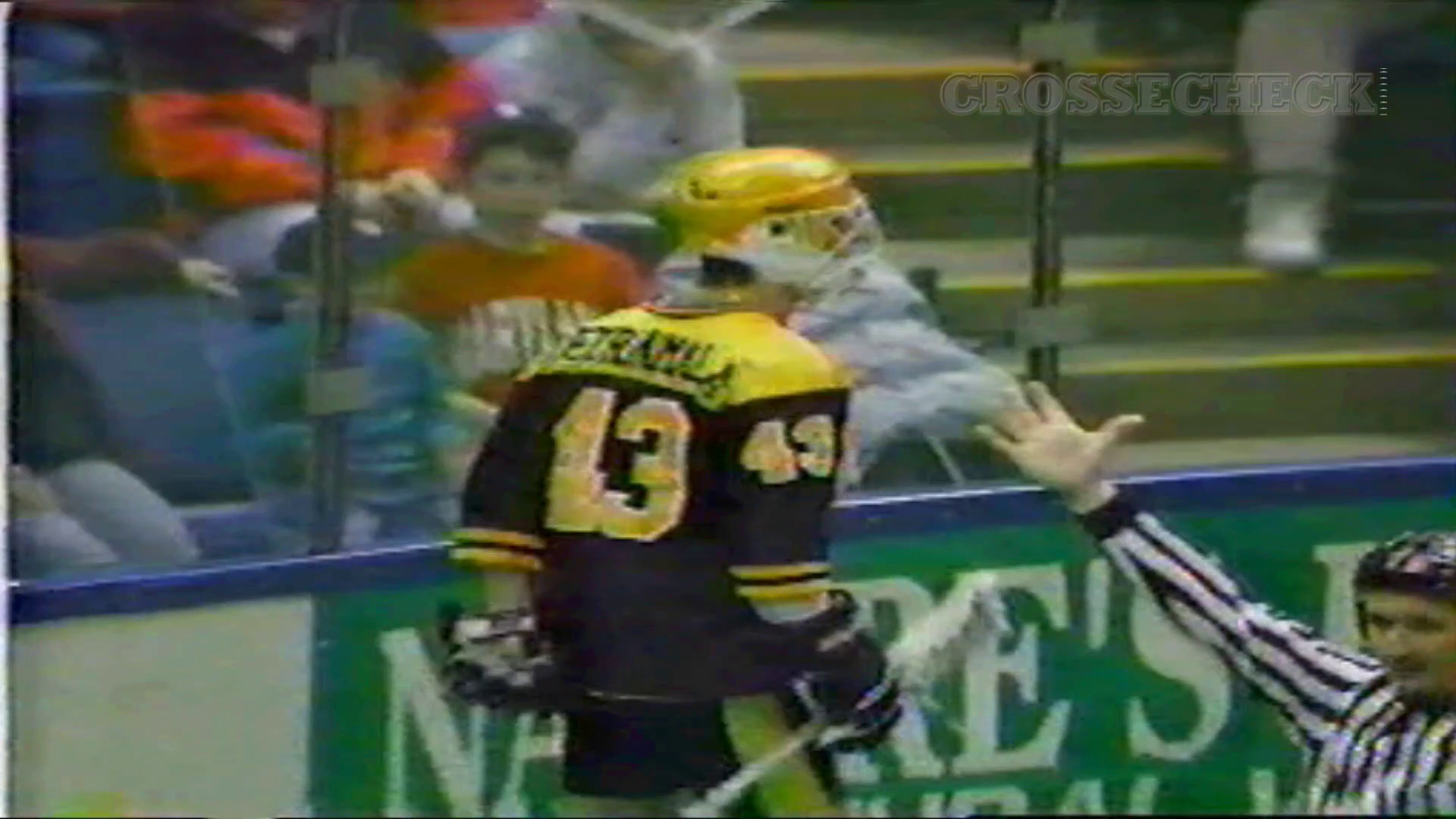
BUFFALO, N.Y. — The makeshift parking lots scattered underneath I-190 are steadily filling on a cold-to-the-bone Saturday night in early February. It’s more than an hour from game time, and the converted file briskly toward Memorial Auditorium. Just as briskly, the word spreads — the Aud is sold out. That means there are 16,325 paying customers — customers who aren’t here to see the likes of LaFontaine, Mogilny and Fuhr. Instead, they’re going to be part of something of an event — a Major Indoor Lacrosse League shootout between the Boston Blazers and the Buffalo Bandits.
The numbers are staggering. In Canada, where lacrosse is a national game, top-flight senior teams are lucky to draw 1,000 on a good summer night, but this is the United States, where shrewd marketing and promotion can take you a long, long way.
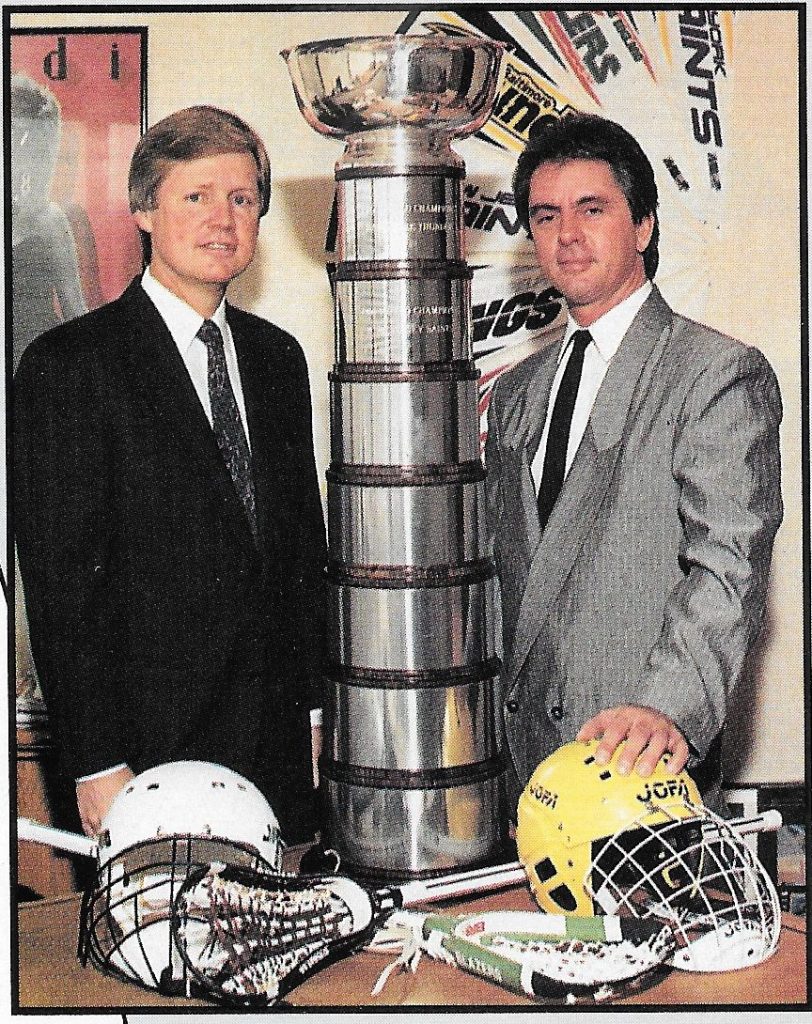
“We always remember that this is sports entertainment,” says Russ Cline, a Kansas City businessman who created the MILL seven years go with partner Chris Fritz. “Entertainment is the key, especially today.”
To understand how the MILL can put up such attendance figures, you only have to examine the not-so-humble beginning. Fritz was well known on the monster truck and rock concert circuits in the United States, with his Midwest-based company, New West Presentations, teaching him all he had to know about luring patrons into arenas.
Cline, on the other hand, was an NFL front-office marketing executive with the Kansas City Chiefs. “We were thinking about ideas for a new sport, a sport that young people could get involved in, a sport that we could build, something futuristic like rollerball,”
Cline said. “Somebody sent us a film from the NLL (the National Lacrosse League, a Canadian effort that failed after one winter season two years ago), and we were wowed.”
True to their marketing sensibilities, they approached the sport from a business standpoint. They came to Canada, talked to people, researched the game, fed off the knowledge of the established hierarchy and went back to the drawing board, a plan in hand. They put together a Team Canada and Team USA exhibition series and tested the market in 11 cities.
The results were encouraging and, in 1987, they introduced the northeastern United States to “the fastest game on two feet.” It was four teams at first, but a crucial stepping stone to their survival was the fact there were no individual owners — Cline and Fritz called all the shots.
This has helped them through the years in many ways — not the least of which is avoiding escalating player salaries.
“Unlike other sports, we try not to single out players,” Cline said. “That’s kept us alive. “We pay players by their tenure. A first-year player gets $125 per game, and the scale grows until you get to the seven-year man, who gets $400.
There are no exceptions. “We spend an inordinate amount on promotion; about $40,000 goes into advertising each game right off the top.” About the only marquee attractions are the Gait brothers, Paul and Gary, the twins from British Columbia who starred for Syracuse University’s field lacrosse team.
They played for the MILL Detroit franchise last year, but Cline and Fritz simply transferred them to Philadelphia this season. “It wasn’t difficult; we just moved them to one of our strongest franchises,” Cline said. “Our top draw is Buffalo, but I’d say our average attendance is about 11,000. It’s nip and tuck with this league.”
Now operating an eight-game schedule with seven teams — Baltimore Thunder, Detroit Turbos, New York Saints, Philadelphia Wings and Pittsburgh Bulls, in addition to Buffalo and Boston — it’s plain there’s money probably being made, despite Cline’s complaint.

Last season, the players — Americans with backgrounds in field lacrosse complemented by standouts from Canada who hold down regular jobs while playing weekend warrior — tried to cash in on the success by forming a union.
Perhaps surprisingly, the attempt fell short, although one player confided that “we’re not happy about the pay structure.” Cline is adamant: “When we can pay them full-time, we will.”
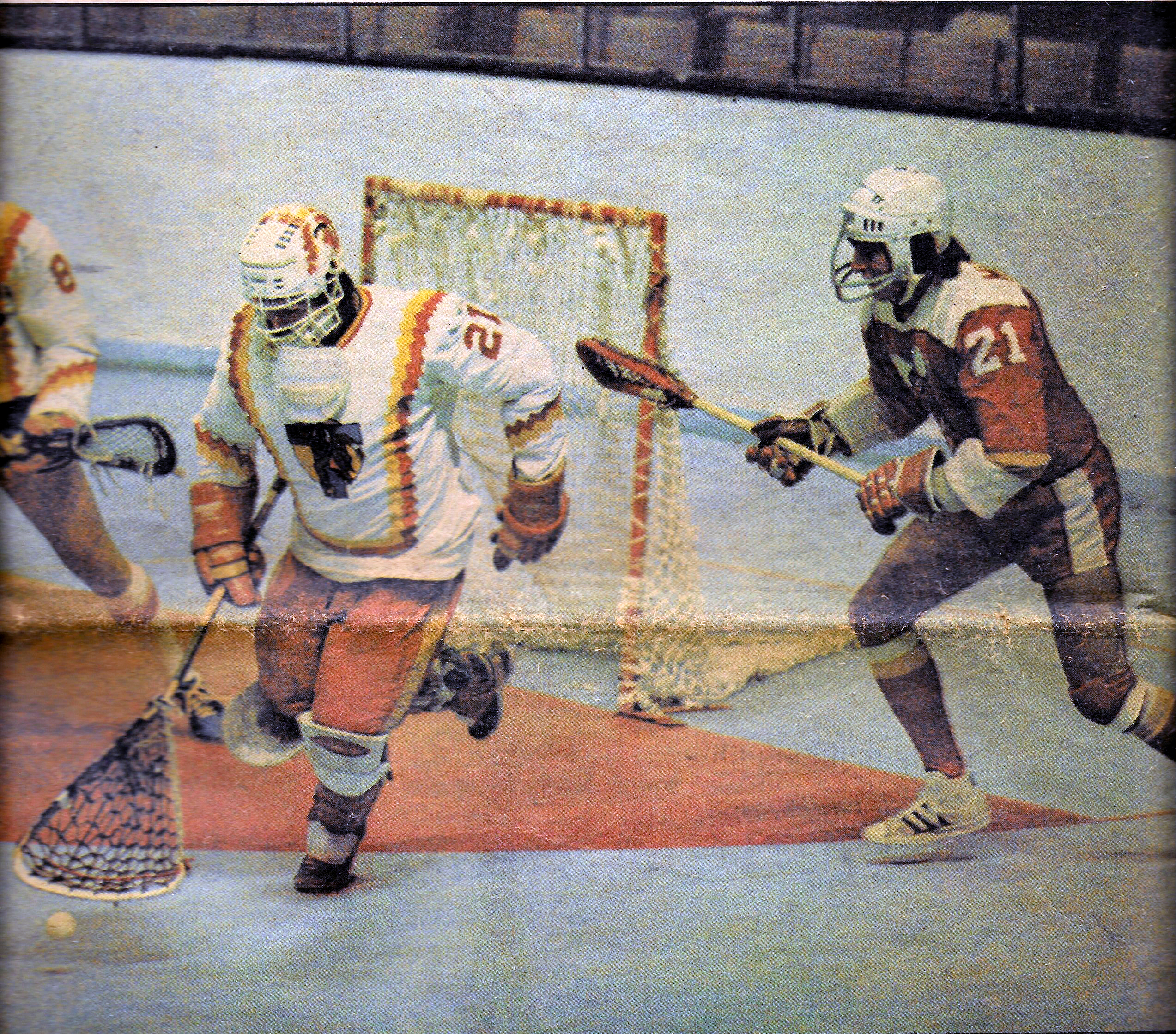
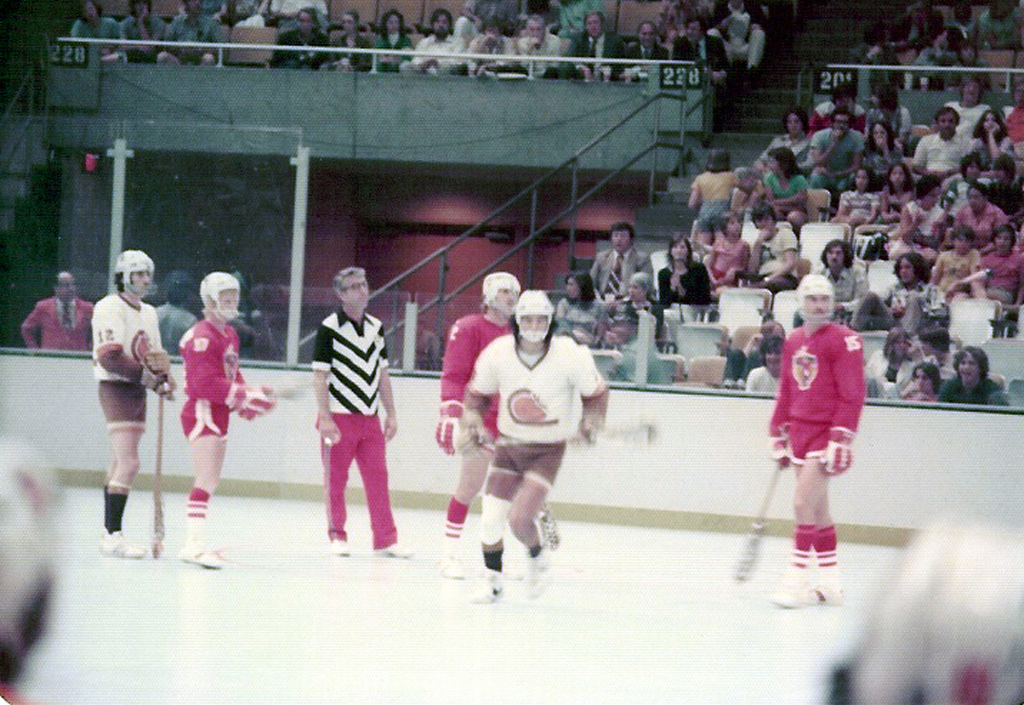
At first glance, the MILL brand of lacrosse could be mistaken for the box style Canadians are accustomed to, but make no mistake, this is a hybrid. The game is faster, there’s more scoring, and the rougher tendencies have been deliberately softened.
Canadian purists might wince, but the neophyte fans Cline and Fritz bring through the turnstiles eat it up. “The sophisticated fan understands defense, but it doesn’t do us any good selling to a large group,” Cline said.
What a two hours. From the second you enter the Aud, the uninterrupted hype begins. There’s the hard-sell souvenir vendors, just like NHL hockey, but that’s where similarities between the two sports end.
Rock music holds on tight and doesn’t let go. There are cheerleaders, spotlights during player introductions and fans who must figure that all the noise means that they’re having a good time.